DJI’s Avata 360 is the company’s first 360-degree FPV drone, combining a protected cinewhoop-style airframe with dual-lens spherical capture. Its specifications make it a credible alternative to the Antigravity A1, but the most important issue for a U.S. buyer is not image resolution or flight time: as of October 17, 2026, DJI has not announced an official U.S. launch.
Who the DJI Avata 360 is for
The Avata 360 is aimed at creators who want to reframe a flight after it is captured. A 360 camera records in every direction, letting an editor choose a conventional forward view, a tracking shot or a tiny-planet effect later. That flexibility is useful for action sports, travel and social video, although it creates a heavier editing workload and much larger files than an ordinary camera drone.
This article is based on DJI documentation and cited public reporting. All About UAVs has not flown or tested the aircraft.
Meaningful specifications
| Specification | Published figure |
|---|---|
| Takeoff weight | Approximately 455 g |
| 360 camera | Dual 1/1.1-inch sensors; up to 8K/60 HDR video and 120 MP photos |
| Single-lens mode | Up to 4K/60 conventional framing |
| Maximum flight time | Up to 23 minutes under DJI test conditions |
| Transmission | DJI O4+; manufacturer maximum of 20 km under favorable, unobstructed conditions |
| Internal storage | 42 GB, plus microSD support |
| Sensing | Omnidirectional obstacle sensing, with integrated propeller guards |
These are manufacturer maximums, not results from our testing. Real endurance depends on speed, wind, temperature, recording mode and battery condition. The 20-kilometer transmission figure is not an operating recommendation; U.S. pilots generally must keep the drone within visual line of sight unless operating under specific authority.
Capabilities and limitations
The Avata 360’s strongest feature is flexibility. It can capture spherical footage for reframing, while a single-lens mode provides a more familiar FPV view. Integrated guards make the aircraft better suited than an exposed-propeller camera drone to close, controlled flying, but they do not make collisions harmless. A 455-gram aircraft still carries enough energy to injure people or damage property.
Eight-kilobyte spherical footage also demands storage and computing power. Buyers should budget for fast microSD cards, substantial archival capacity and an editing system that supports DJI’s 360 workflow. Before purchase, verify whether the required stitching, reframing and export tools work on your current computer and whether project files remain usable without a continuing subscription.
Price and U.S. availability
DJI announced the Avata 360 internationally on March 26, 2026. DJI’s launch pricing began at £409 in the United Kingdom and €459 in Europe, with higher-priced controller and accessory combinations. Those figures should not be converted into an “official U.S. price.” Independent launch reporting found that DJI did not announce a U.S. release, even though the aircraft had received FCC clearance and imports might be lawful.
That distinction matters. A marketplace or specialist importer may offer the Avata 360 to U.S. buyers, but reseller availability does not establish official DJI U.S. distribution, warranty coverage, parts supply or service eligibility. Confirm the seller, exact bundle, return policy, warranty administrator and controller compatibility in writing. Imported pricing is seller-specific and can change with freight, tariffs and inventory.
Configuration questions
- Controller: confirm whether the package includes a compatible hand controller, motion controller or goggles; a low aircraft-only price may omit equipment required to fly.
- Battery kit: compare one-battery and multi-battery packages, charging hardware and the availability of replacements.
- Editing workflow: verify supported phones, computers, codecs and export resolutions.
- Support: ask whether repairs and warranty claims are handled in the United States or must be sent abroad.
Avata 360 versus Antigravity A1
The Antigravity A1 remains the clearer U.S. retail choice because its official U.S. store offers complete bundles with the Vision goggles and Grip controller. It is also much lighter at about 249 grams and advertises up to 24 minutes of flight. The Avata 360 is heavier but offers DJI’s controller ecosystem, O4+ transmission and a protected FPV form factor familiar to Avata pilots.
International list prices make DJI look less expensive, but a fair U.S. comparison must include the imported aircraft, required controller or goggles, batteries, taxes, shipping and any reduced warranty value. For a buyer who needs predictable U.S. support, the A1’s official channel may matter more than the DJI aircraft’s lower overseas starting price.
Regulatory and ownership considerations
At 455 grams, the Avata 360 is above the 250-gram recreational registration threshold. U.S. recreational pilots need FAA registration, Remote ID compliance and a TRUST completion certificate; non-recreational operations generally require Part 107 authority. Registration does not authorize flight over people, beyond visual line of sight or in controlled airspace without the applicable permission.
Imported hardware also deserves a lifecycle check. Confirm that the aircraft activates normally in the United States, receives firmware and geofencing updates, supports the intended radio region and can be insured. These are ownership questions, not evidence that an imported unit is unlawful.
Recommendation
The Avata 360 is technically appealing for experienced FPV creators who value reframing and already understand DJI’s ecosystem. Its published camera, sensing and transmission specifications are competitive. U.S. buyers, however, should treat it as an import decision until DJI announces official distribution. The right purchase is the one backed by a verifiable seller, a complete compatible bundle and a support plan—not simply the lowest advertised aircraft price.
Sources
- DJI: Avata 360 specifications
- The Verge: launch pricing and U.S. availability
- Antigravity: A1 official U.S. purchase page
- FAA: drone registration
- FAA: Remote ID
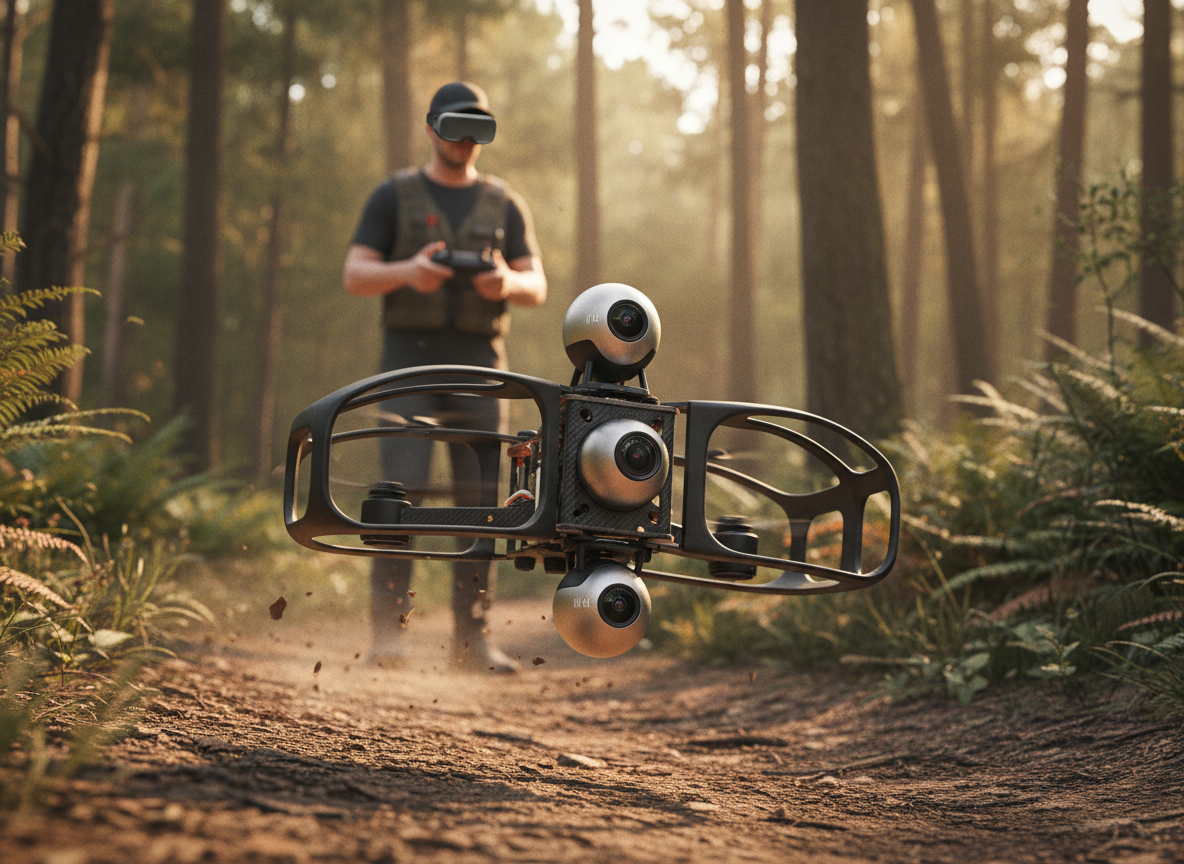
Disclosure: This independent article contains no affiliate links. All About UAVs did not receive or test the DJI Avata 360 or Antigravity A1. The featured image is an AI-generated editorial illustration, not a product photograph.
Leave a Reply