Canada says it will move from a military inventory of roughly 2,000 drones toward producing millions within two years, with one-third of Canadian-made units intended for Ukraine. The September 10 announcement is significant because it links battlefield supply, domestic procurement and industrial capacity. It is still a target—not evidence that factories, contracts or deliveries at that scale already exist.
What Canada announced about drone production
Canadian Prime Minister Mark Carney outlined the plan during Ukrainian President Volodymyr Zelenskyy’s visit to Canada. The Associated Press reported on September 10 that Canada’s armed forces currently hold about 2,000 drones, while newly announced contracts are intended to increase that fleet tenfold. Carney also said Canada expects to manufacture millions of drones during the next two years and direct one-third of that production to Ukraine.
Reuters independently reported the production target and one-third commitment. The broader package included C$350 million for Ukraine to acquire air-defense interceptors through a U.S.-supported procurement mechanism, plus nearly C$435 million in loan guarantees for energy security. Those financial measures are separate from the drone-manufacturing target and should not be presented as a disclosed drone contract value.
Public reporting did not identify the manufacturers, aircraft types, unit prices, production sites, delivery schedule or exact mix between Canadian military inventory and Ukrainian transfers. “Millions of drones” may also cover very different classes of equipment—from expendable small systems to surveillance aircraft, interceptors, components or complete systems. Until contracts provide definitions, the headline number cannot be translated into a reliable fleet capability.
The national drone marketplace may be the more important change
Canada also plans to work with Ukraine on a national drone marketplace modeled on Ukraine’s procurement experience. A marketplace can shorten the distance between an operational need and a supplier by creating a repeatable channel for qualifying products, placing orders and collecting performance feedback.
That does not automatically solve acquisition risk. A credible marketplace still needs technical standards, cybersecurity review, supply-chain documentation, flight and weapons safety controls, acceptance testing and a way to prevent unreliable field reports from becoming procurement decisions. Canada will also need to decide how rapidly changing designs can be approved without locking buyers into obsolete hardware.
The model matters beyond defense. Commercial drone programs face a similar scaling problem: buying an aircraft is easier than building a repeatable system for qualification, maintenance, data security, operator training and performance measurement. Canada’s approach may offer lessons about faster procurement, but military urgency should not be mistaken for a shortcut around airworthiness or operating requirements.
Why the one-third commitment matters
Committing one-third of future production to Ukraine ties Canadian industrial policy directly to wartime demand. Ukraine can supply rapid operational feedback, while Canadian producers may gain larger and more predictable orders. In theory, that feedback loop can accelerate improvements in navigation, electronic-warfare resistance, autonomy, manufacturing cost and repairability.
It also creates difficult questions. Production allocated abroad is not the same as equipment accepted into Canadian service. Designs optimized for urgent battlefield use may have short product cycles and different documentation or support expectations from systems bought for long-term domestic military programs. Export controls, intellectual-property arrangements, component origin and secure software updates will all affect whether the partnership scales as announced.
What is verified and what remains unknown
- Verified announcement: Canada intends to build production capacity measured in millions of drones over two years and allocate one-third to Ukraine.
- Reported baseline: Carney said Canada’s armed forces currently possess roughly 2,000 drones and that announced contracts would increase the fleet tenfold.
- Separate support: Canada announced C$350 million for air-defense interceptors and nearly C$435 million in energy-related loan guarantees.
- Not yet disclosed: contract values for the drone effort, suppliers, system categories, yearly production milestones and delivery dates.
- Not yet demonstrated: that Canadian factories can sustain the target volume, component supply and quality-control rate.
Those distinctions keep the announcement in proportion. The plan is a meaningful policy and procurement signal, but it is not a completed production achievement. The same caution applies to defense selections such as the Navy’s recent VAMPIRE counter-drone announcement: selection or stated intent becomes operational capability only after contracting, integration, testing, delivery and field use.
What UAV manufacturers and operators should watch next
The most useful next evidence will be named suppliers and contract awards. Those records should clarify whether Canada is buying complete aircraft, production capacity, software, motors, batteries, sensors or other components. Unit counts without aircraft classes are especially misleading: a million small expendable systems and a million reusable surveillance aircraft represent radically different cost and industrial requirements.
Also watch for the marketplace’s qualification rules, milestones for the tenfold Canadian fleet increase and the first confirmed deliveries to Ukraine. Published acceptance rates, component sourcing and monthly output would reveal more than an aggregate two-year ambition.
For the broader UAV industry, Canada’s announcement is another sign that governments want faster pathways from prototype to volume production. The durable advantage will belong to suppliers that can prove not only that a drone flies, but that it can be built repeatedly, secured, maintained and improved from real operational feedback.
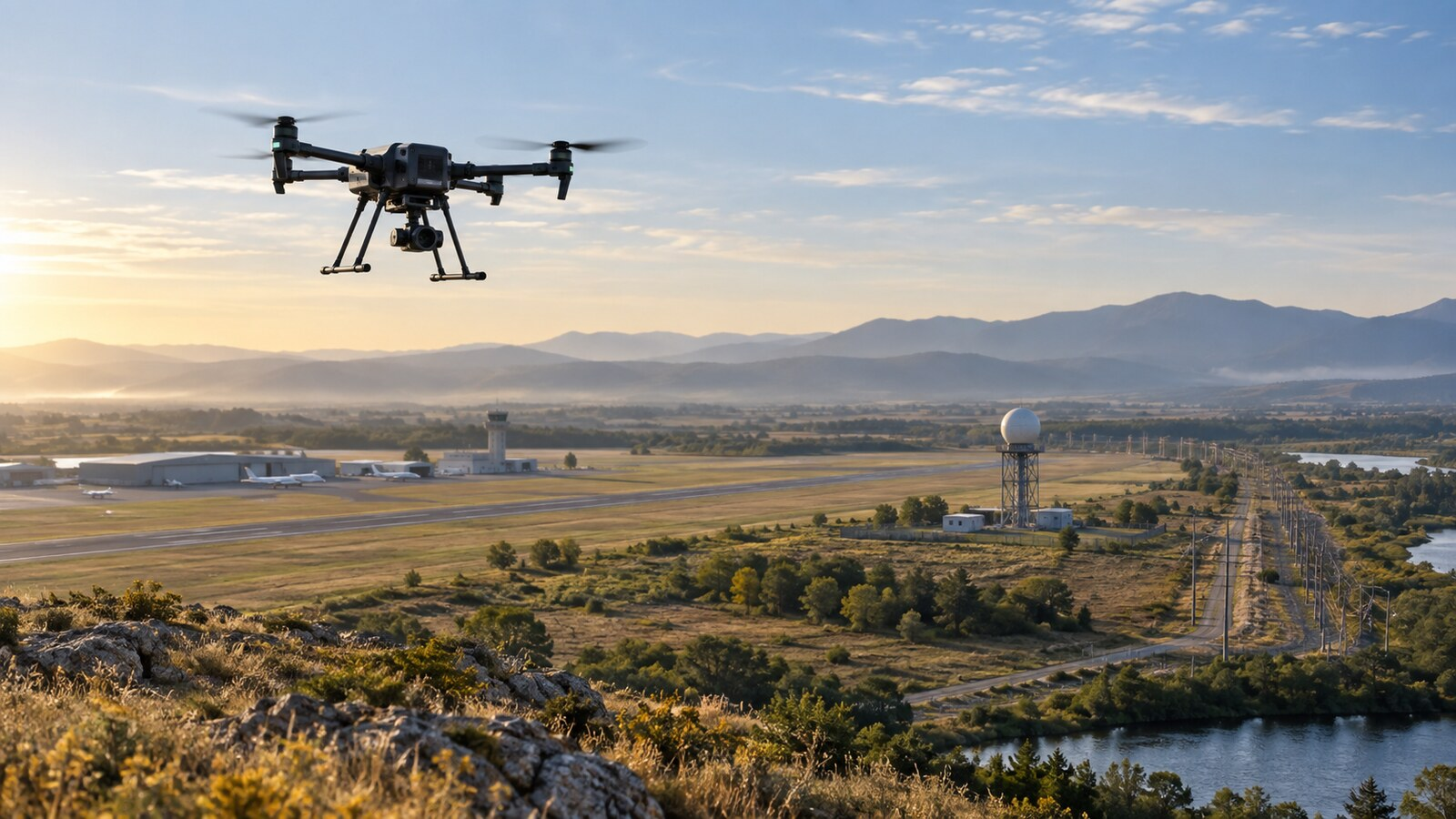
Disclosure: This article contains no affiliate links or paid placement. Government targets and production figures are identified as announced plans. The featured image is an original editorial illustration and does not depict a specific Canadian contract, factory or aircraft model.